Maraya Gardens
Maraya Gardens
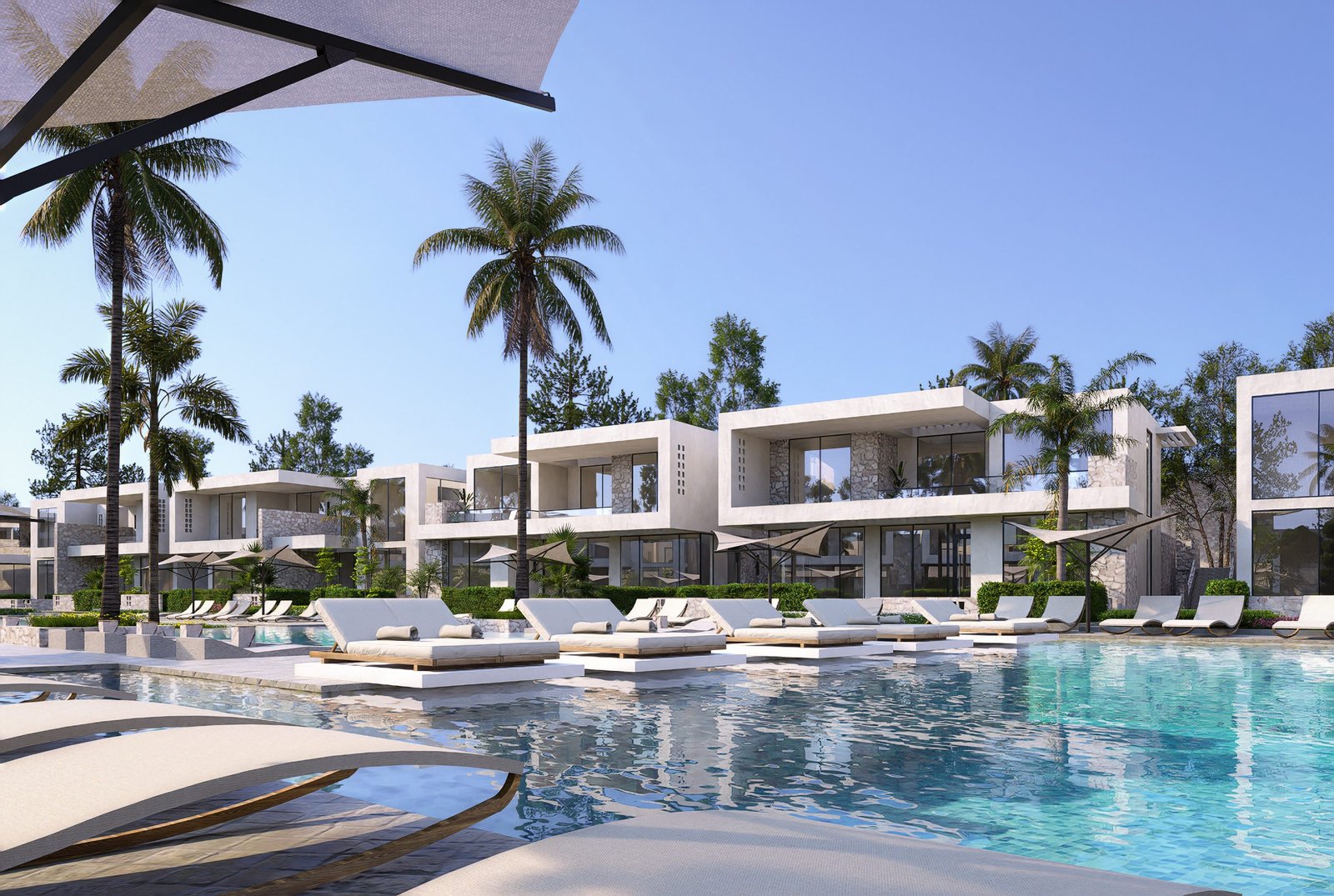
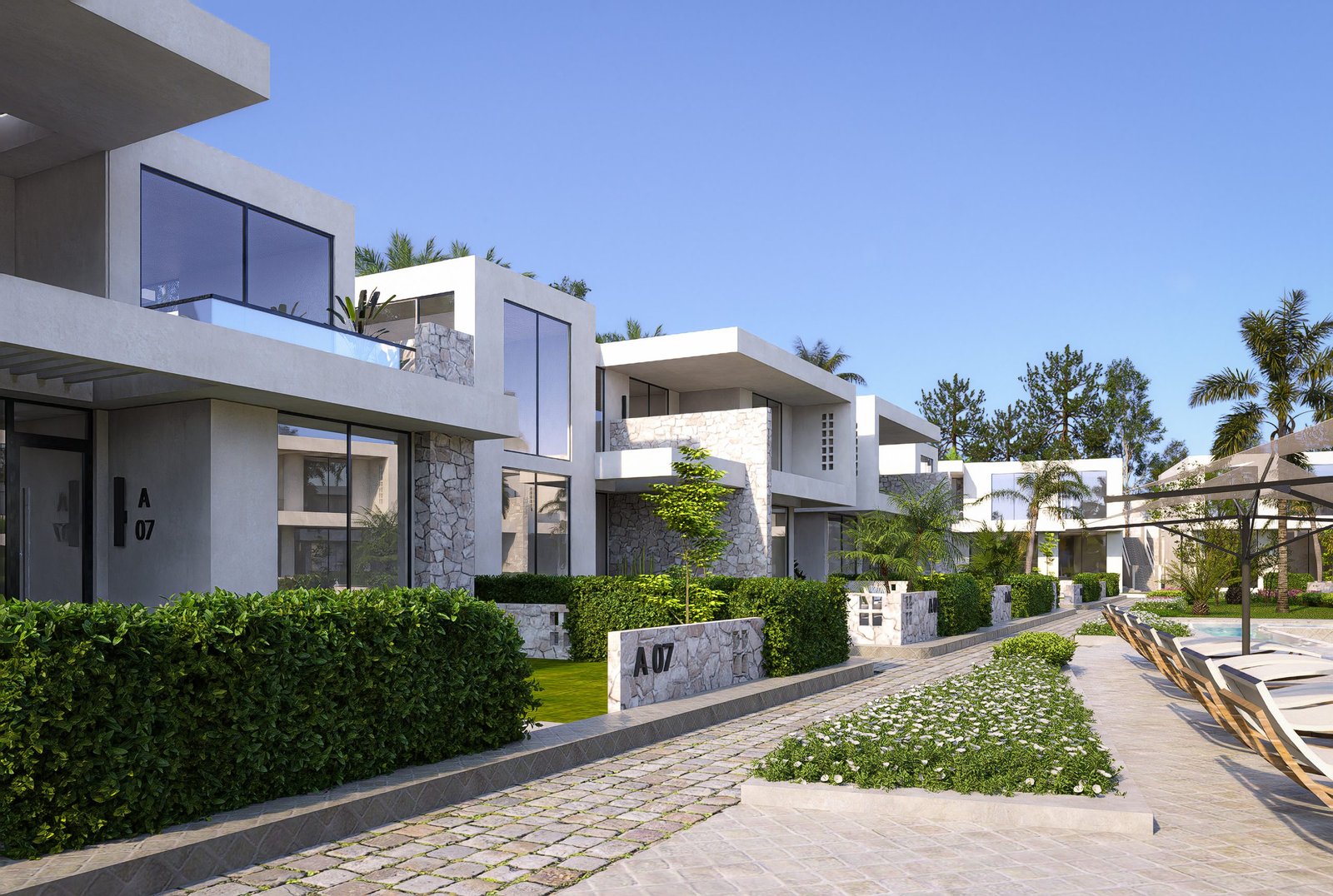
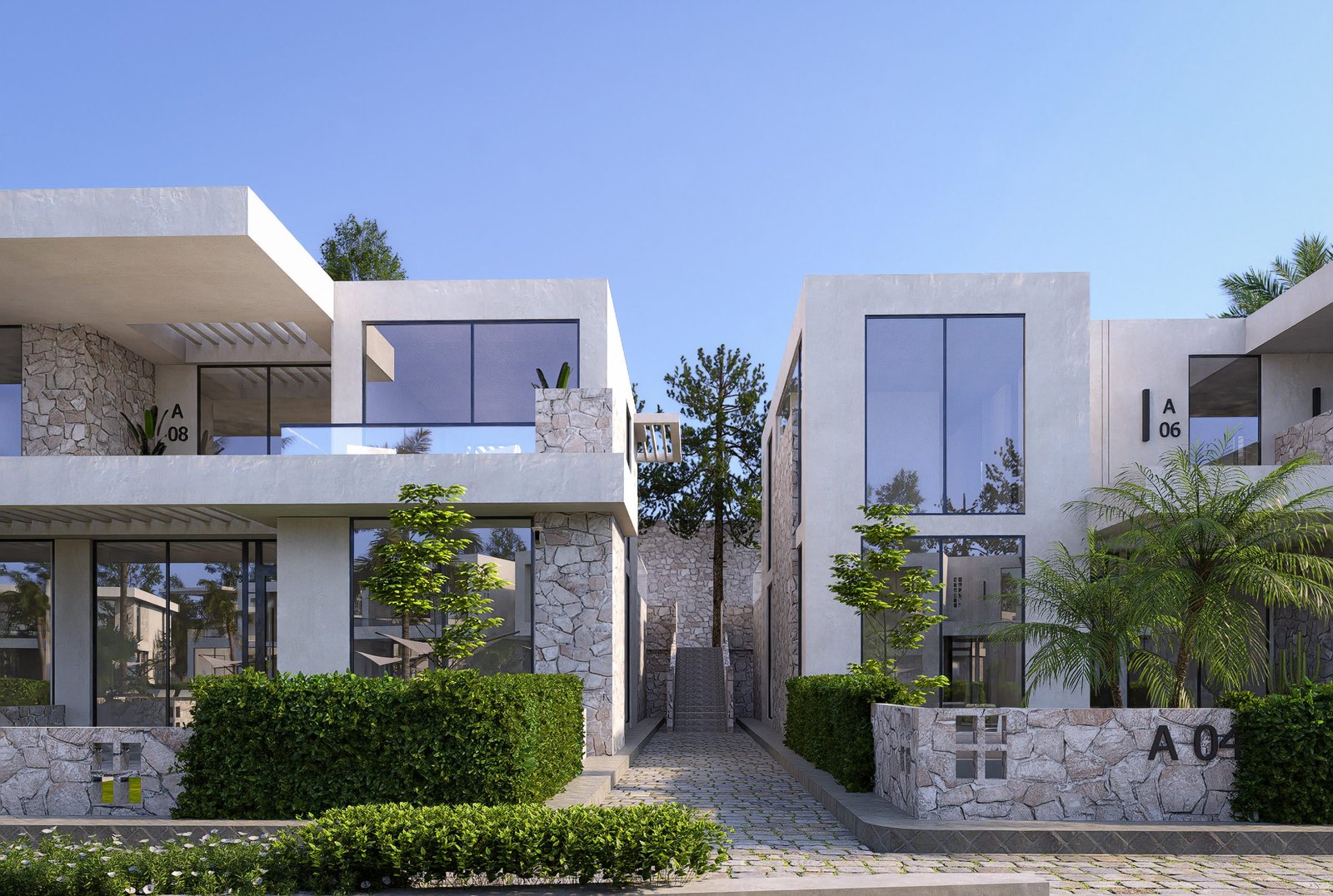
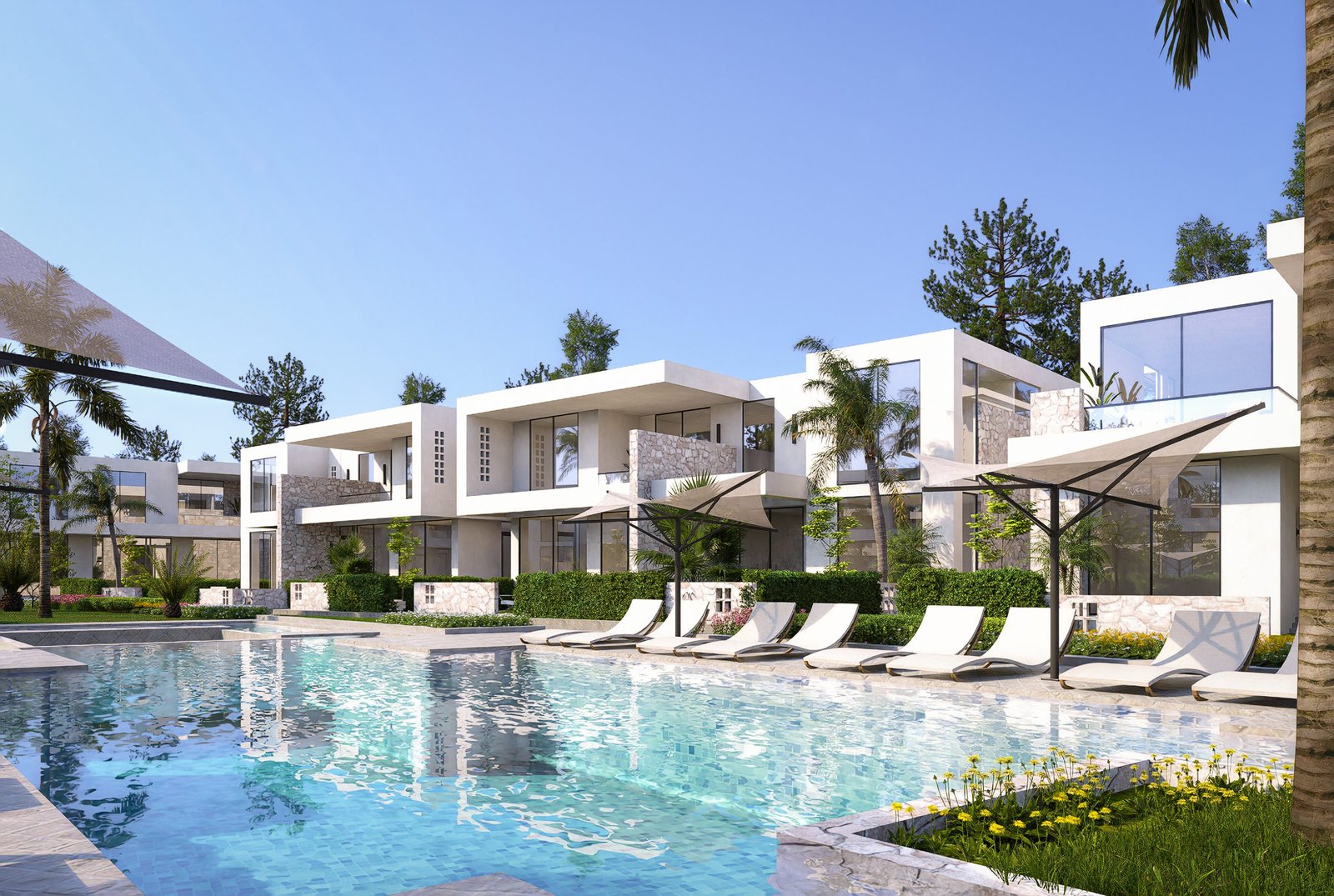
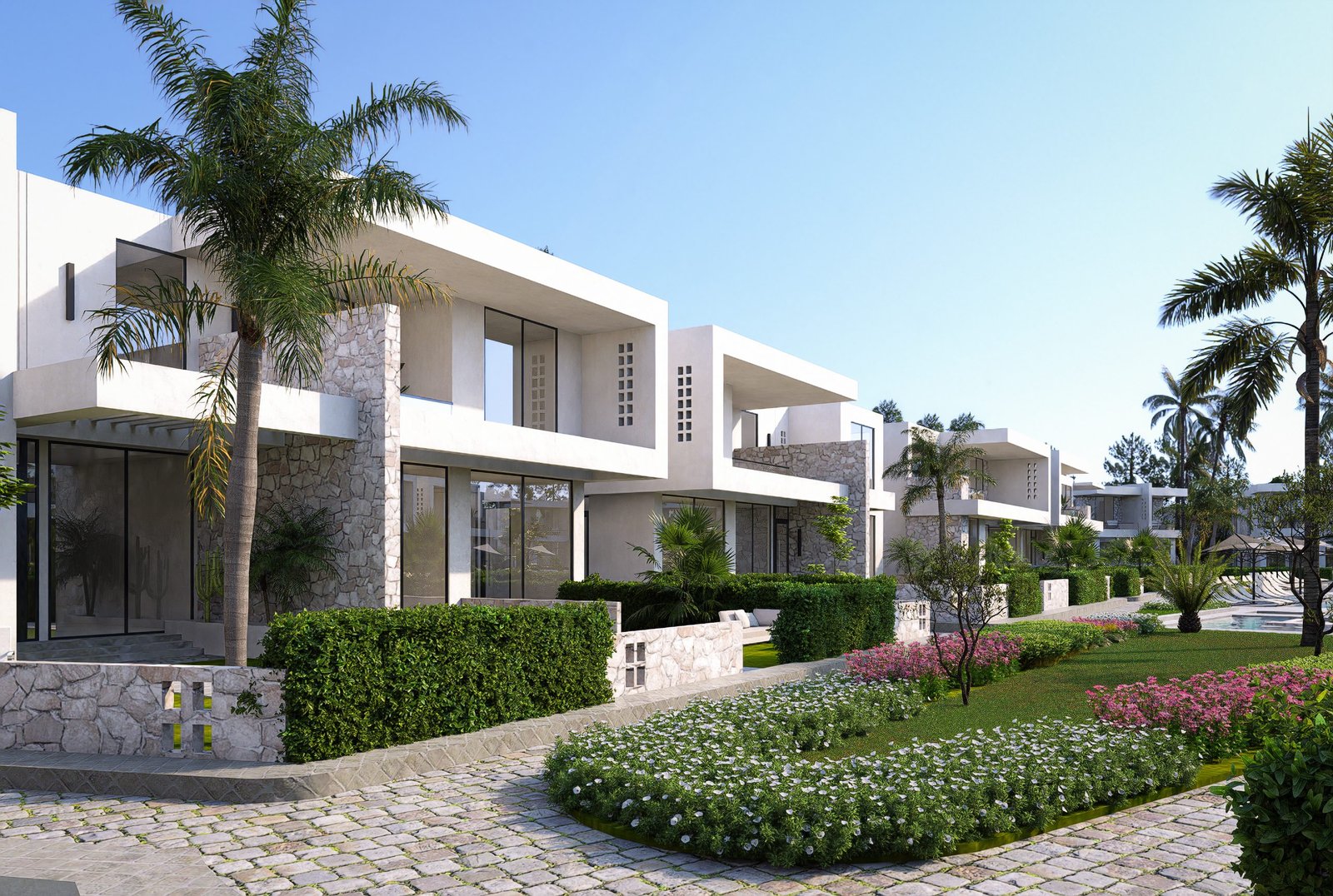
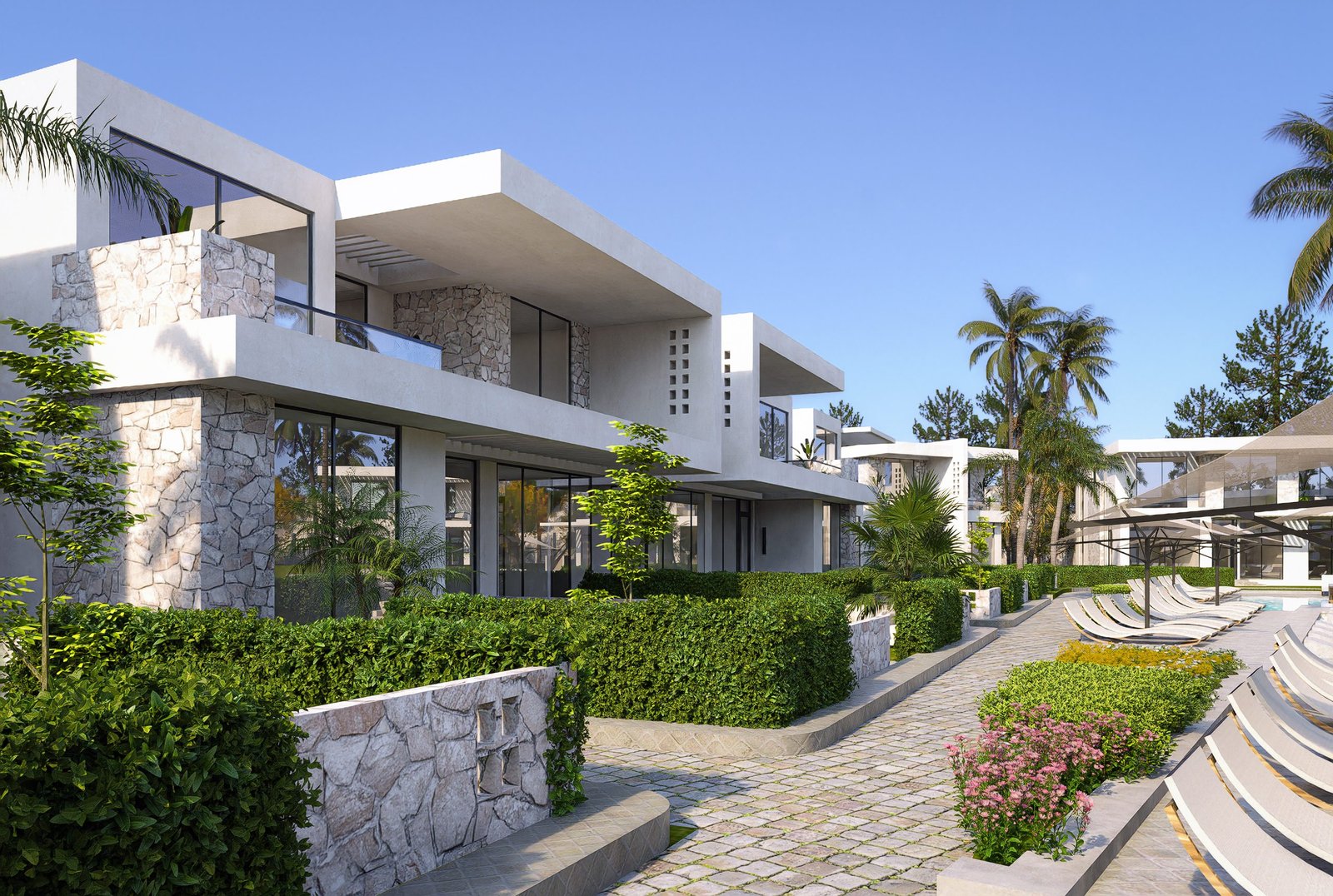
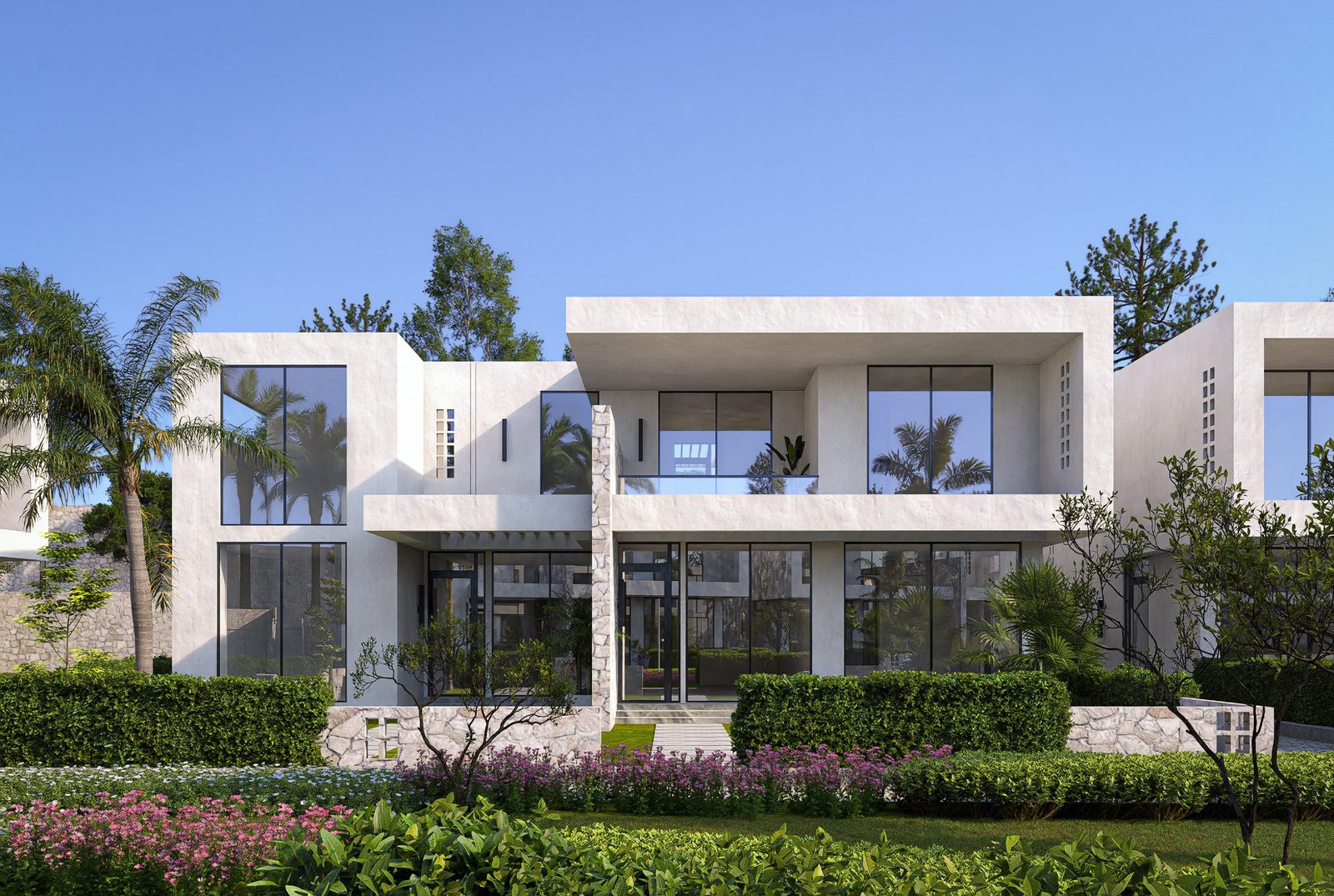
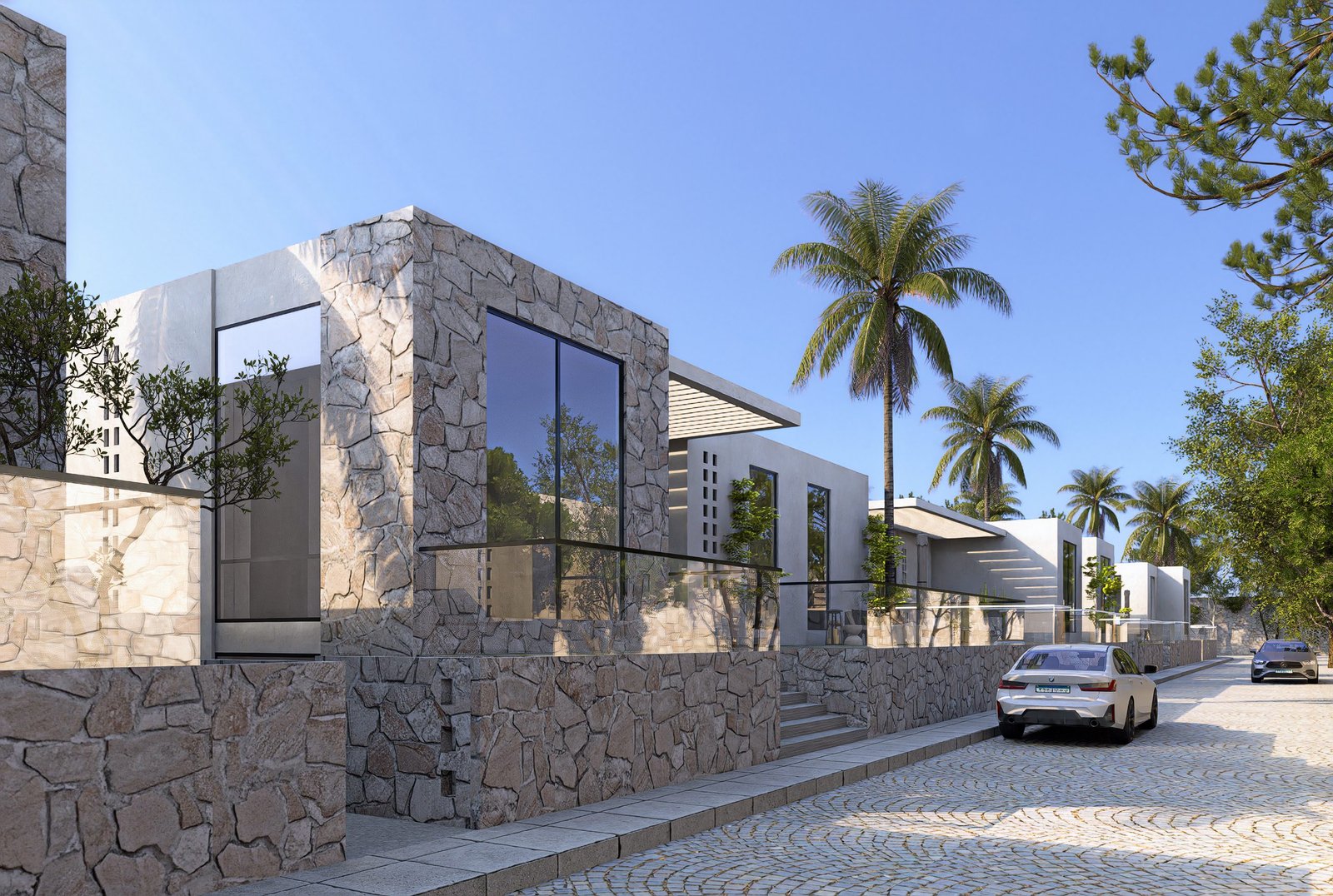
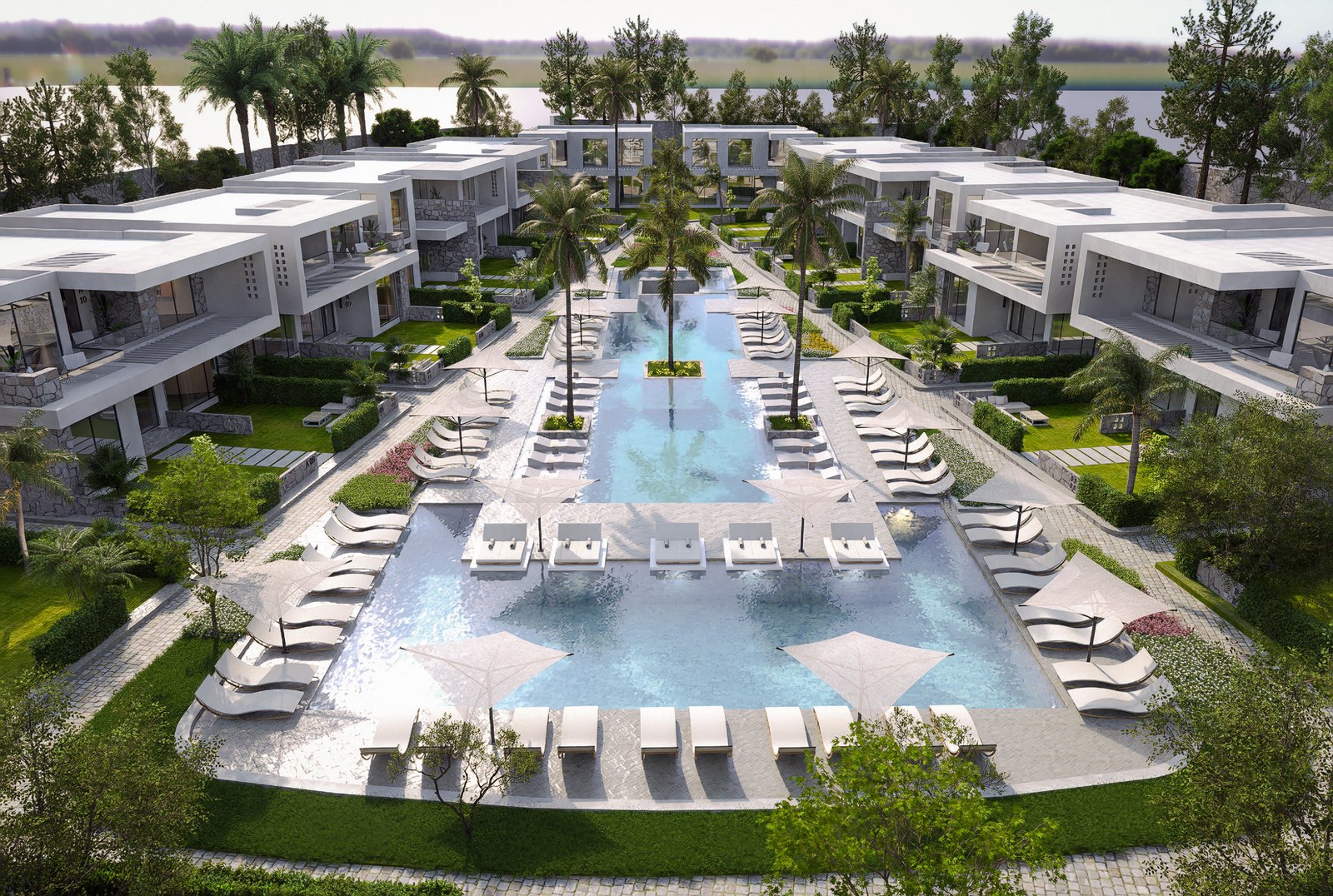
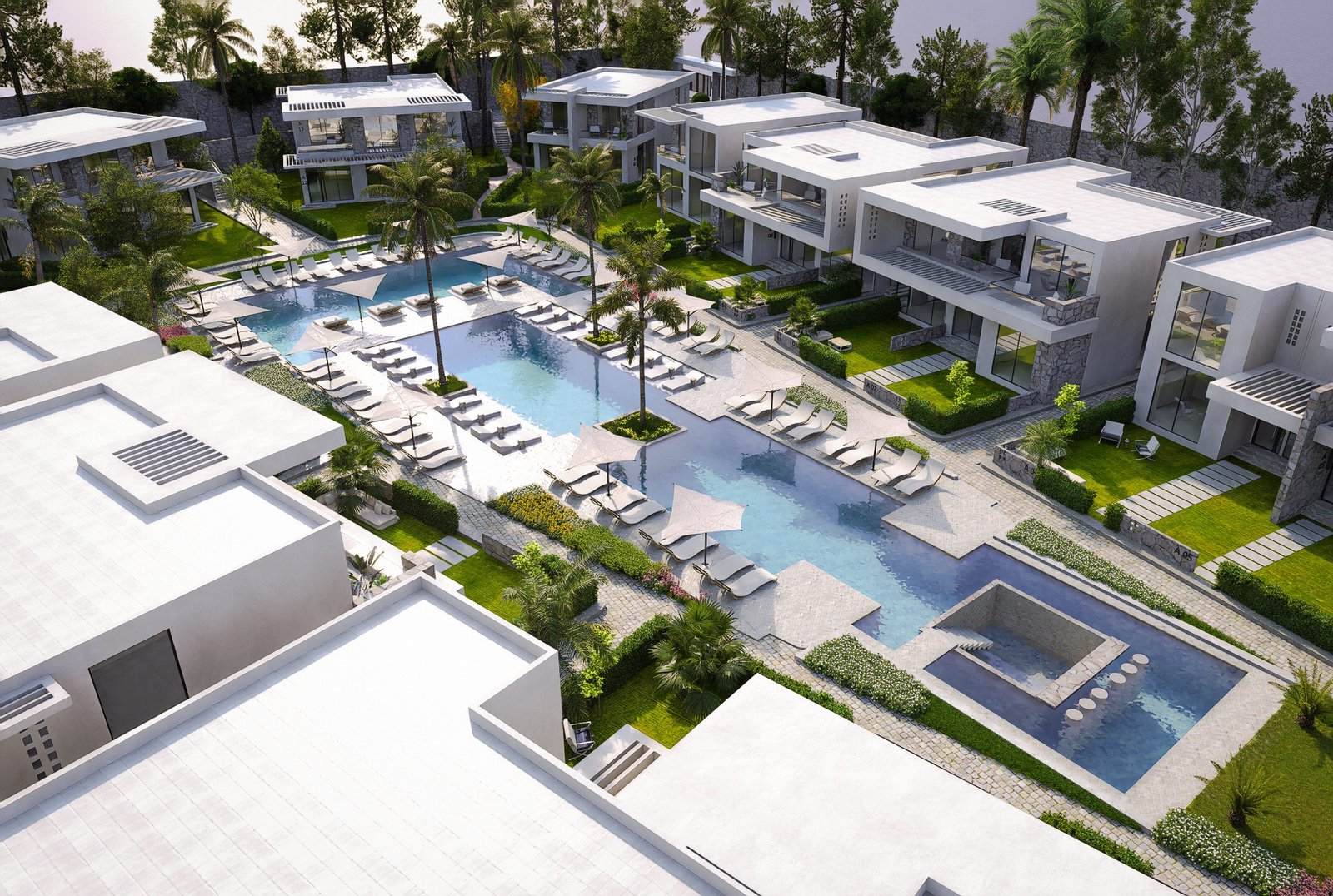
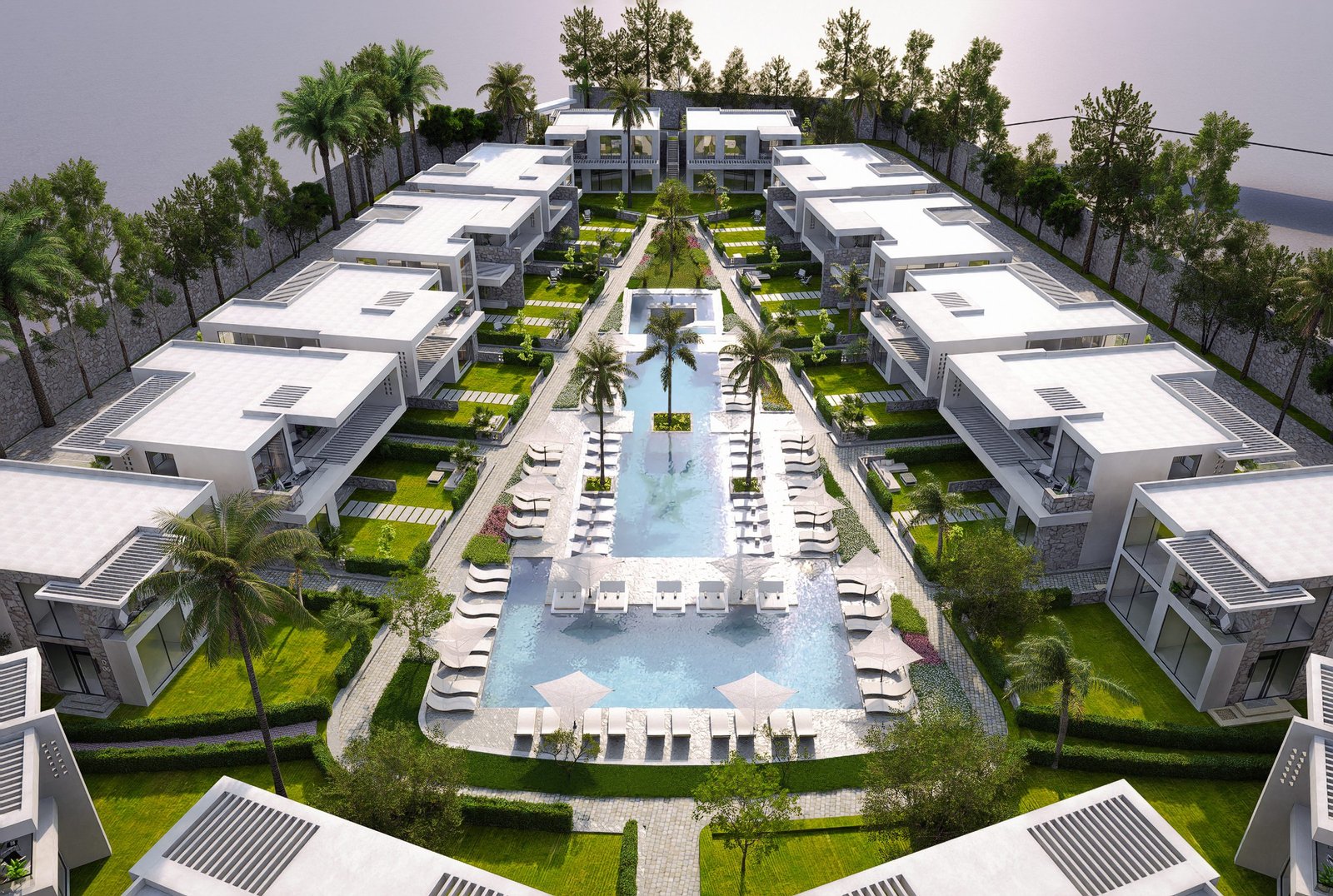
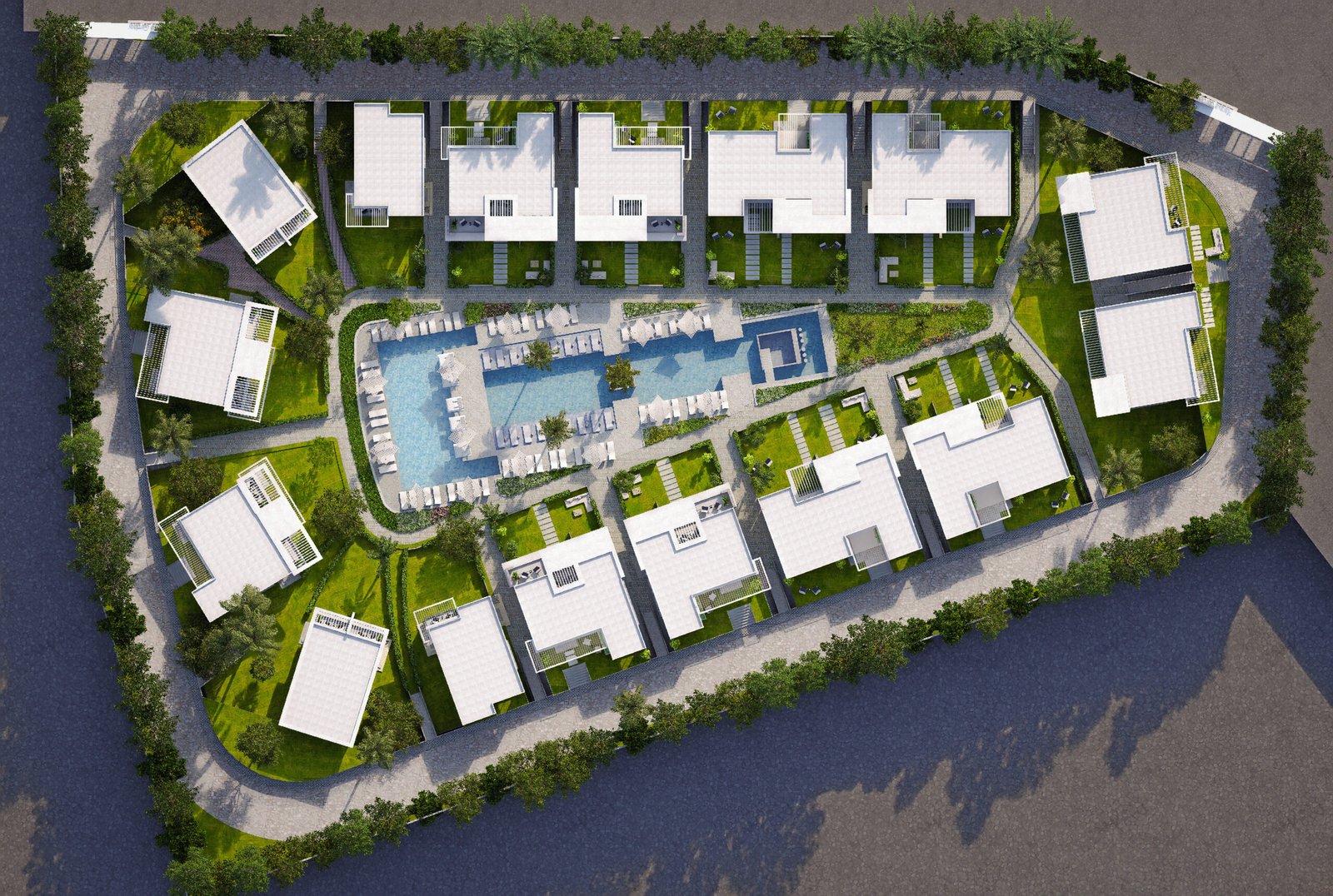
For this 60-unit intervention, EIT Developments continues to champion the "Mini Compound" model as a sophisticated alternative to traditional residential sprawl. By clustering 60 bespoke units within a singular, secure perimeter, the owner has created a social ecosystem that offers the infrastructure of a luxury resort with the absolute privacy of a standalone estate. EIT's strategy here focuses on "Architectural Rhythm"—ensuring that while the site maintains a vibrant communal energy, the collective master plan remains a powerful, unified visual statement along the Red Sea coast.
Client
TU Delft
Building surface
8,844 m2 (GFA)
Building volume
ca. 53,000 m3
Building site
ca. 4,000 m2
Program
Interfaculty education with halls, study, dining
Status
Completed
Location
Delft
Project Overview
Boutique Scaling: The project is positioned as a sophisticated alternative to traditional suburban sprawl. By clustering a curated number of residences (whether 8 or 120) within a secure perimeter, it provides resort-level infrastructure with the privacy of a standalone estate.
Precision-Led Intervention: The overview highlights the developer’s reputation for “precision-led urban interventions,” emphasizing that the site was chosen and developed to maximize coastal value and resident exclusivity.
- Target Demographic: It frames the project as a social ecosystem designed for a sophisticated demographic of professionals and families seeking a cohesive, high-tier lifestyle experience.
Design Philosophy
The philosophy moves beyond aesthetics into architectural theory, explaining why the building looks and functions the way it does.
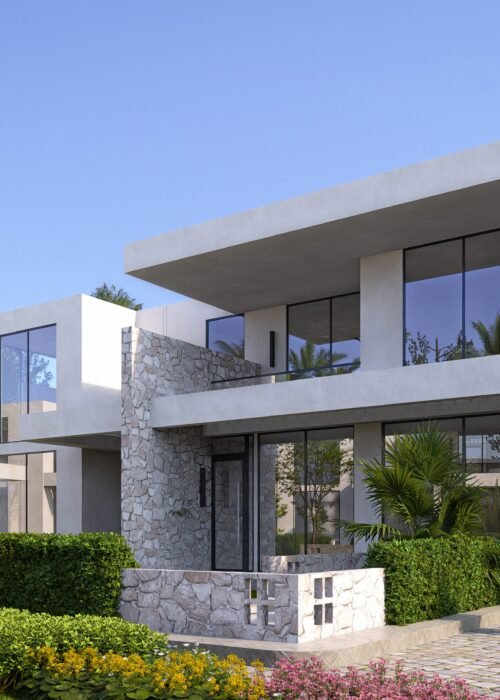
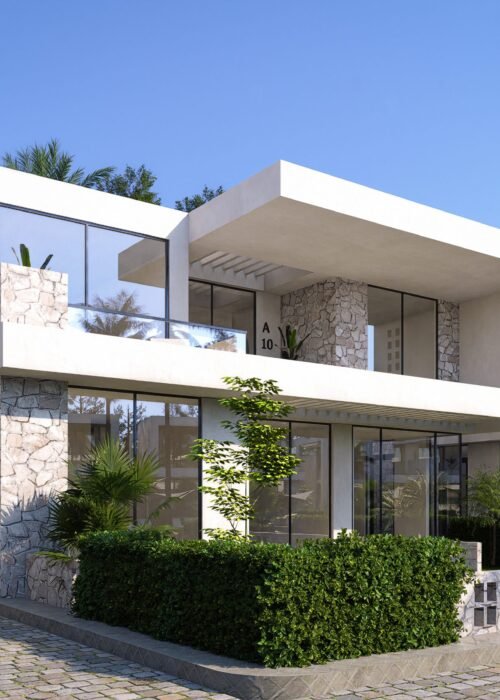
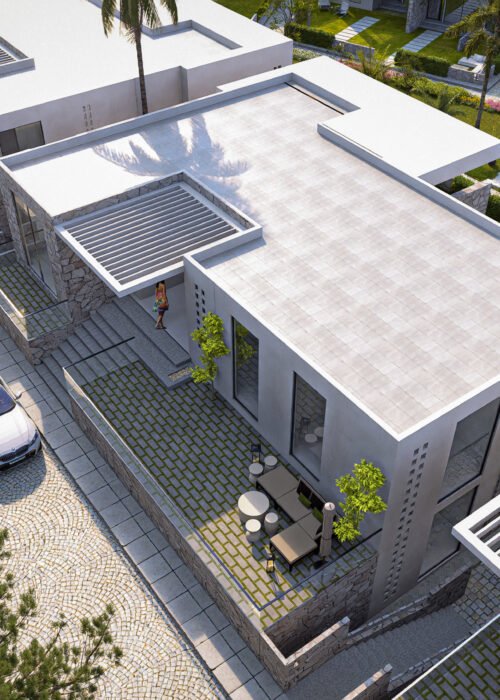
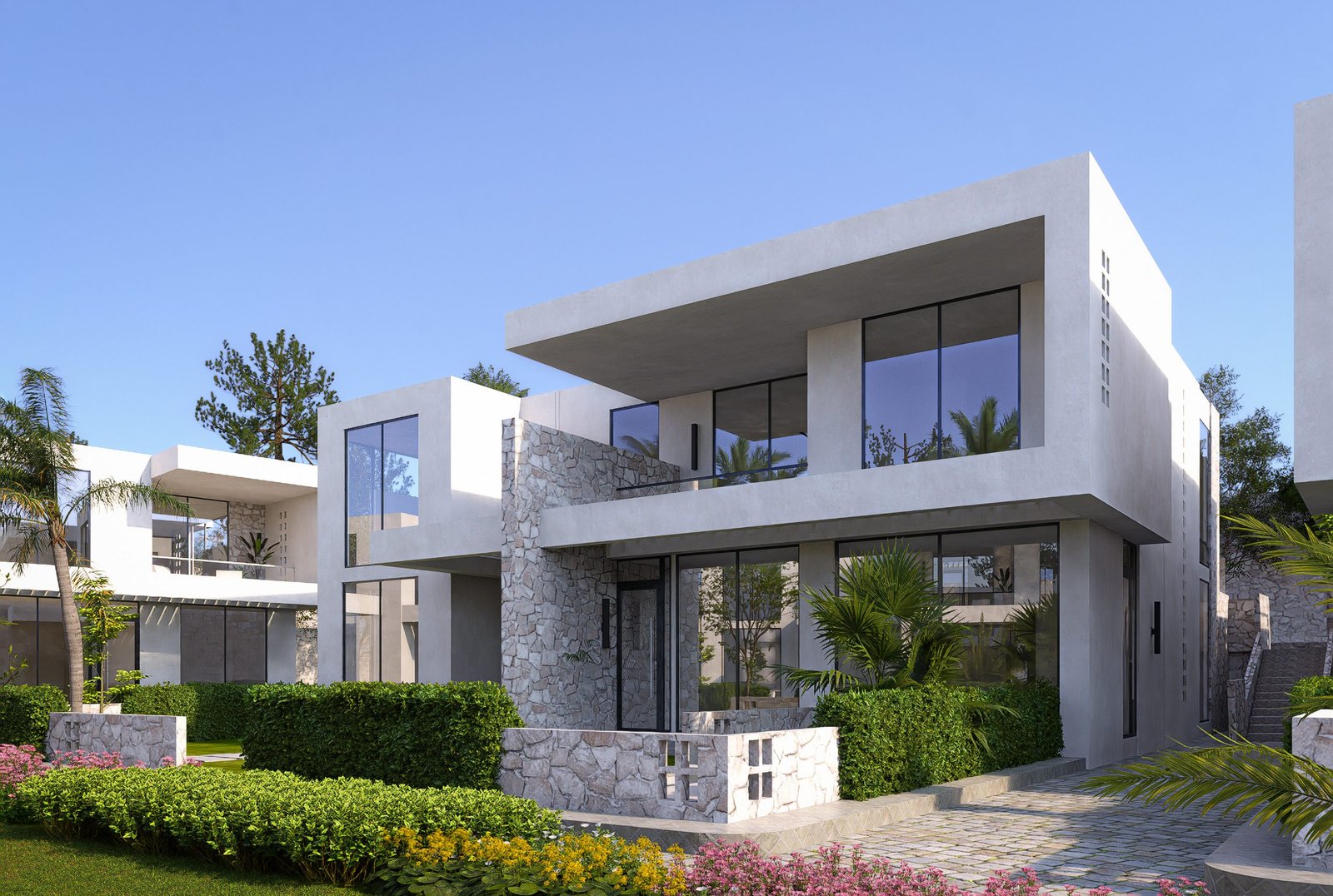
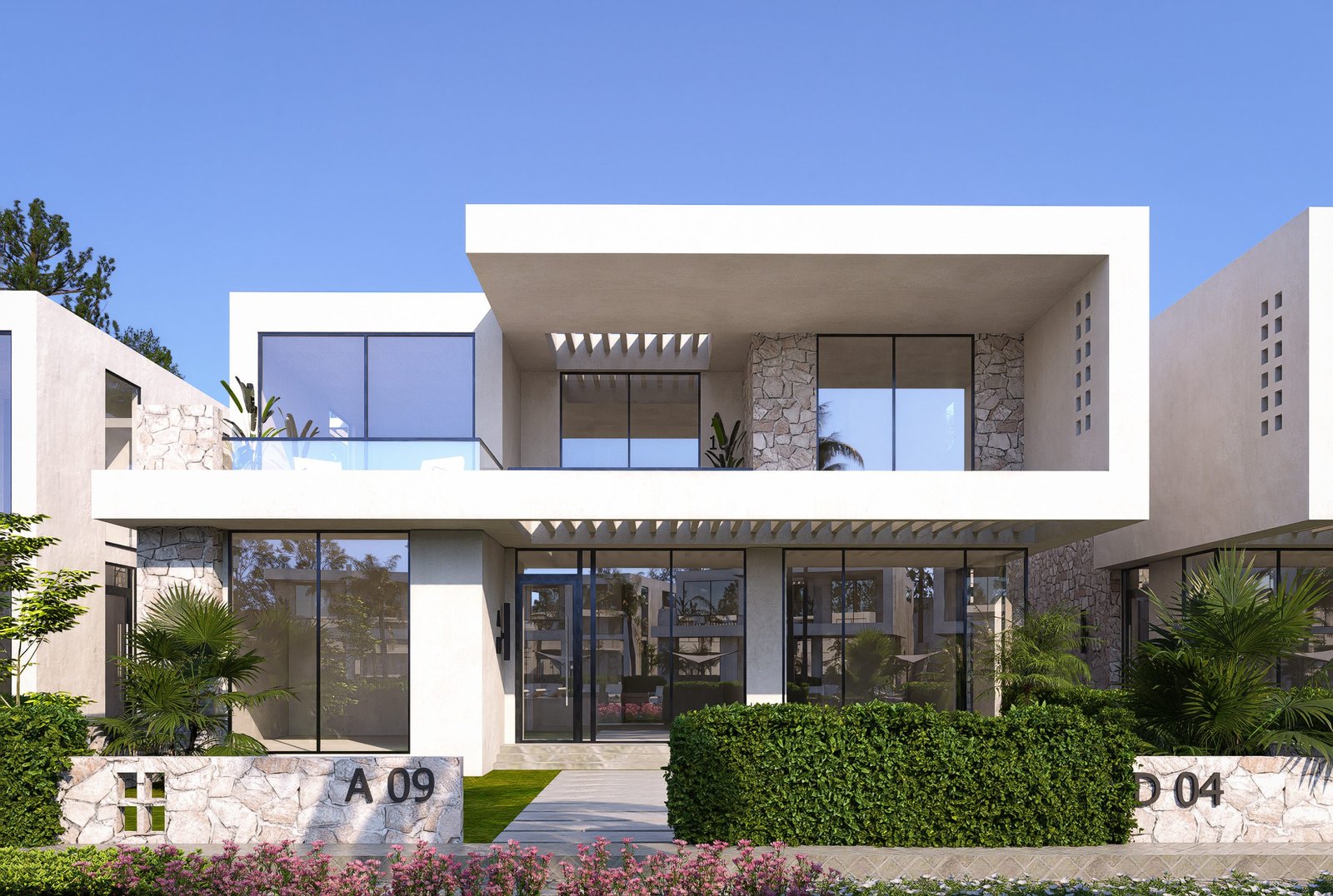
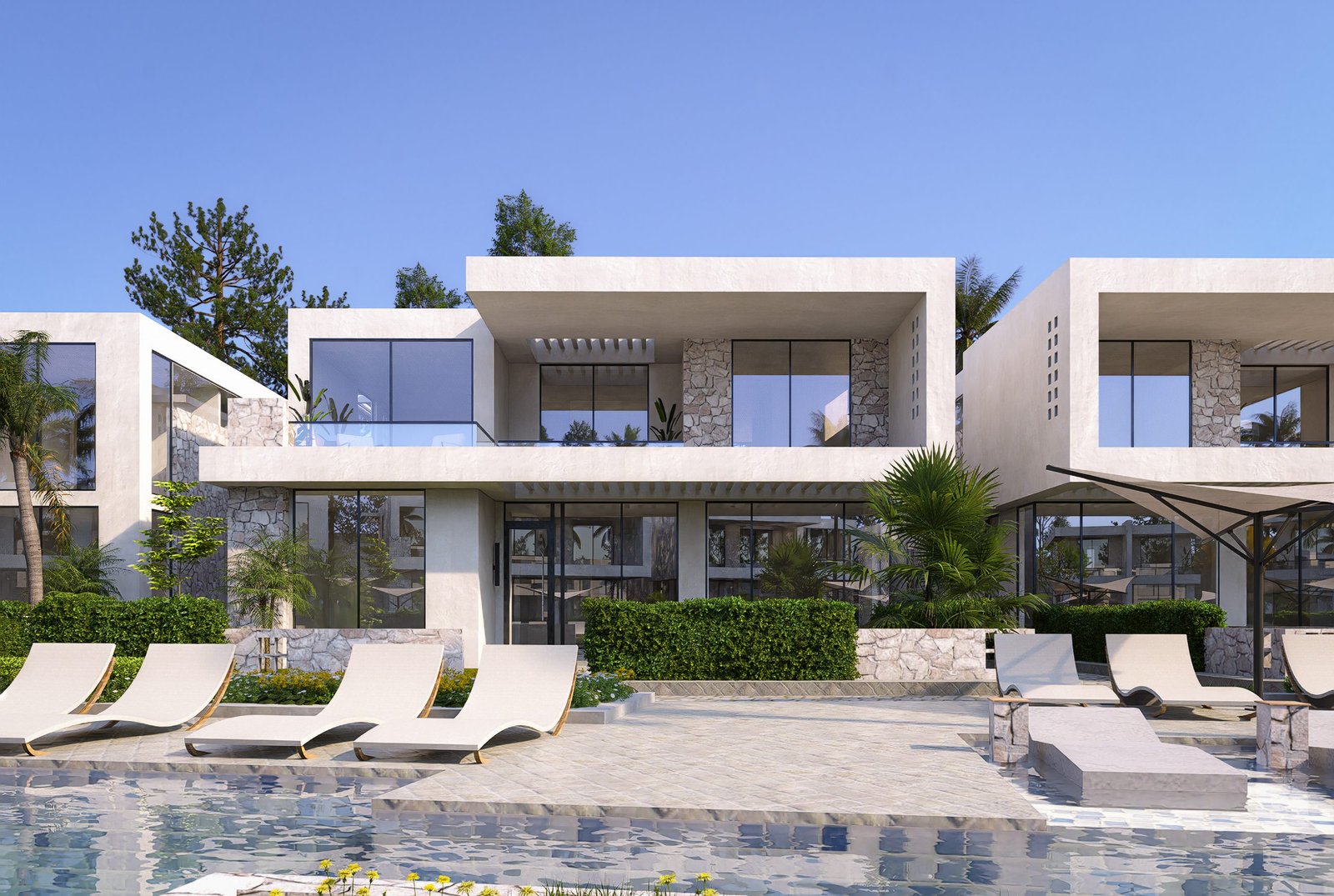
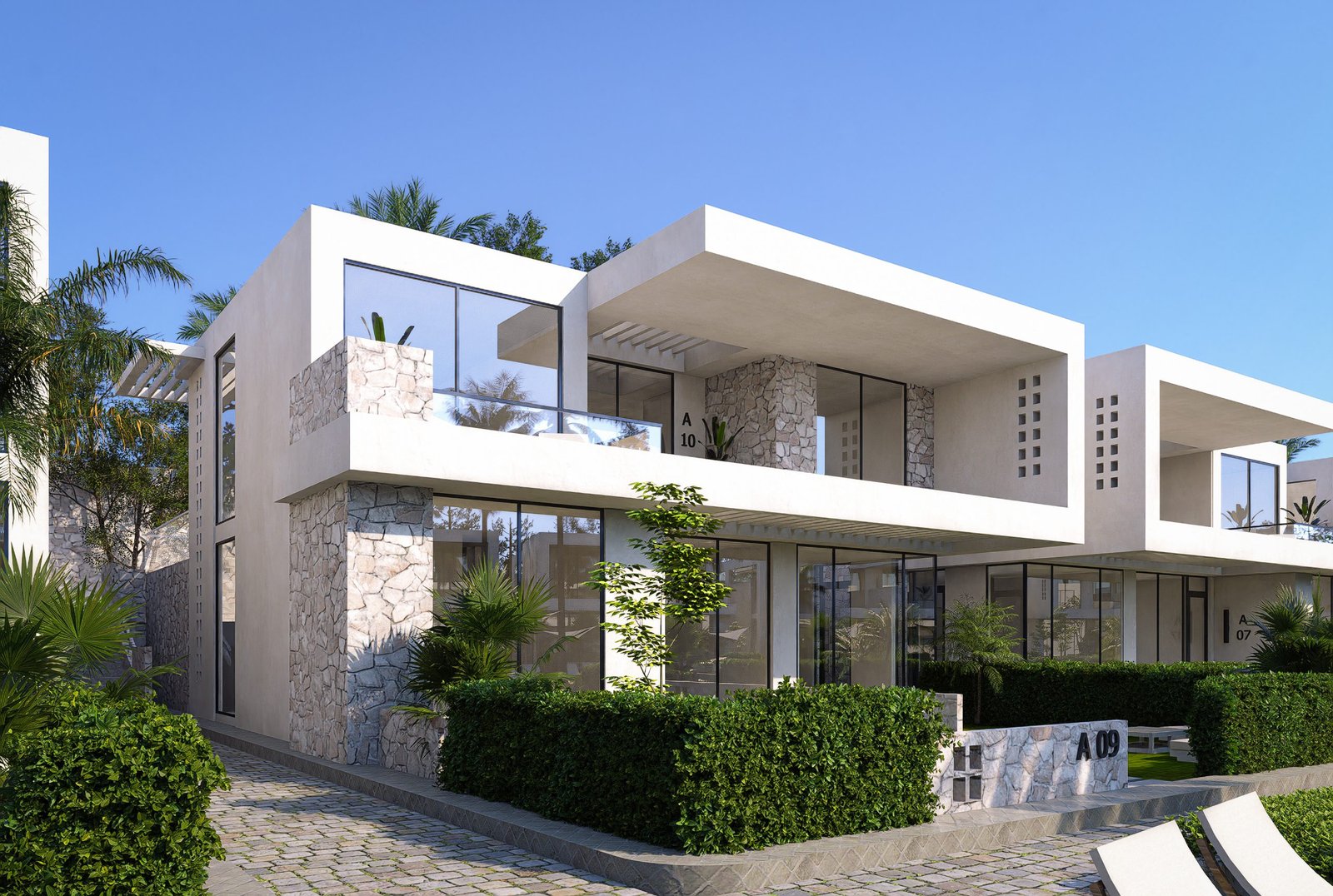
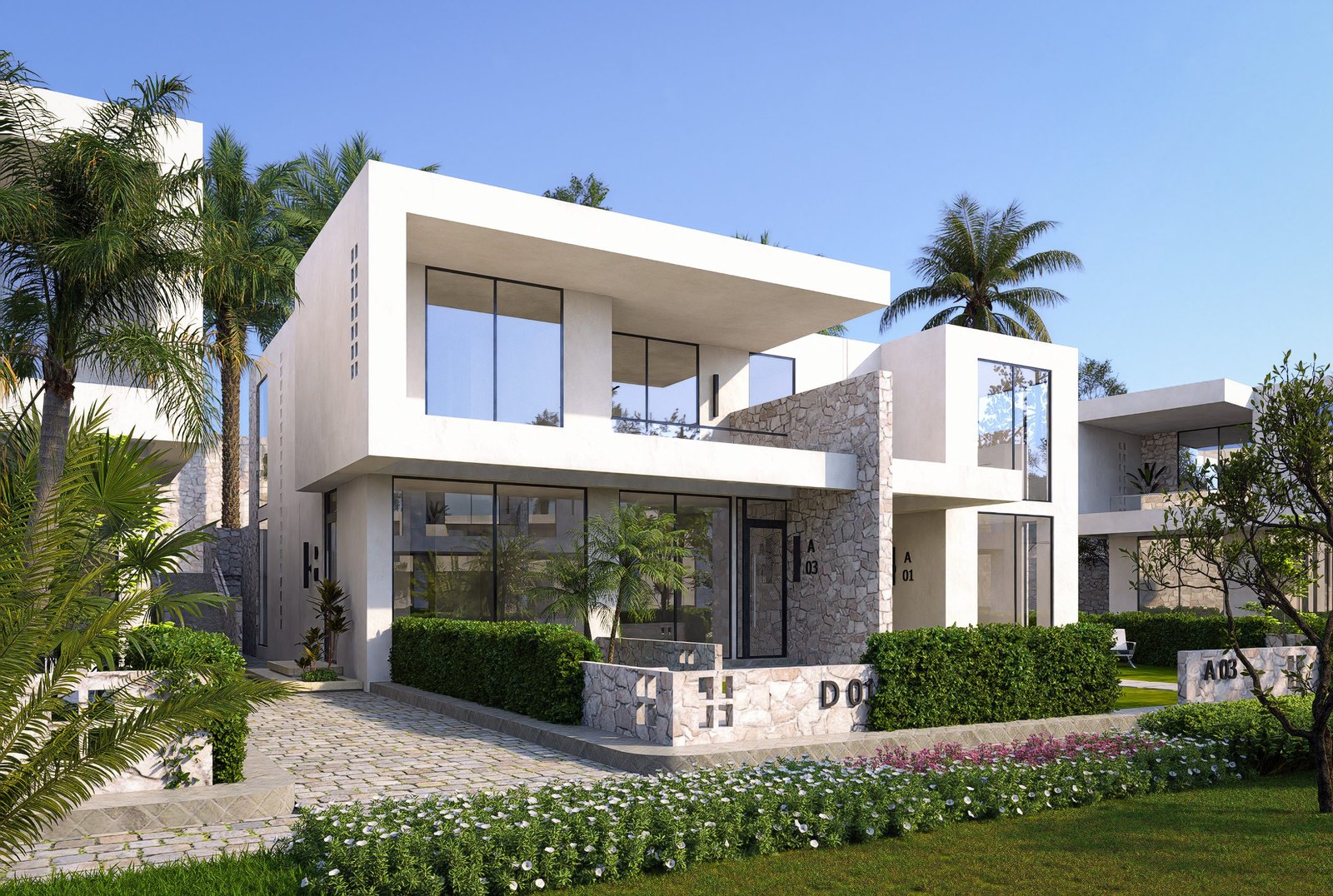
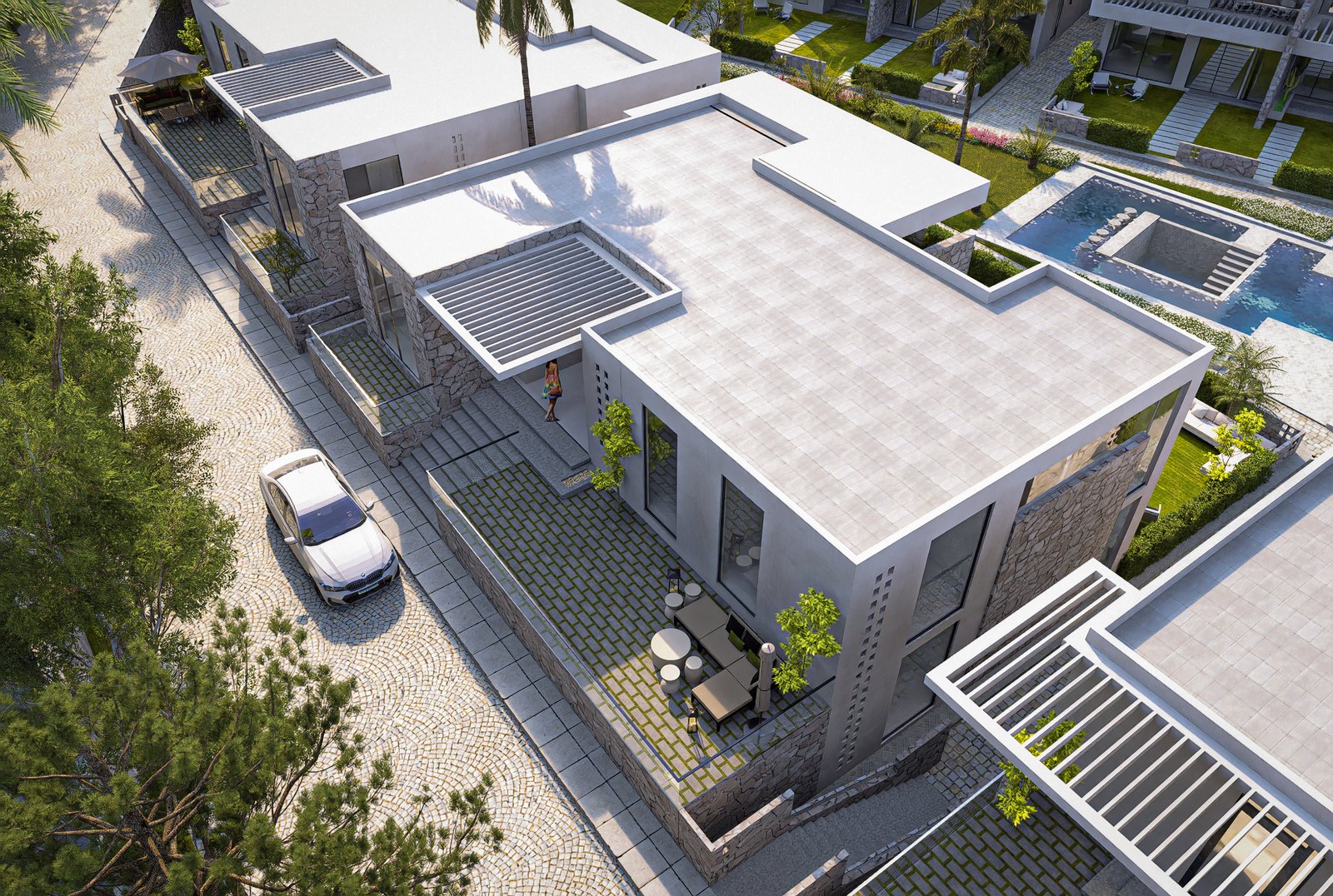
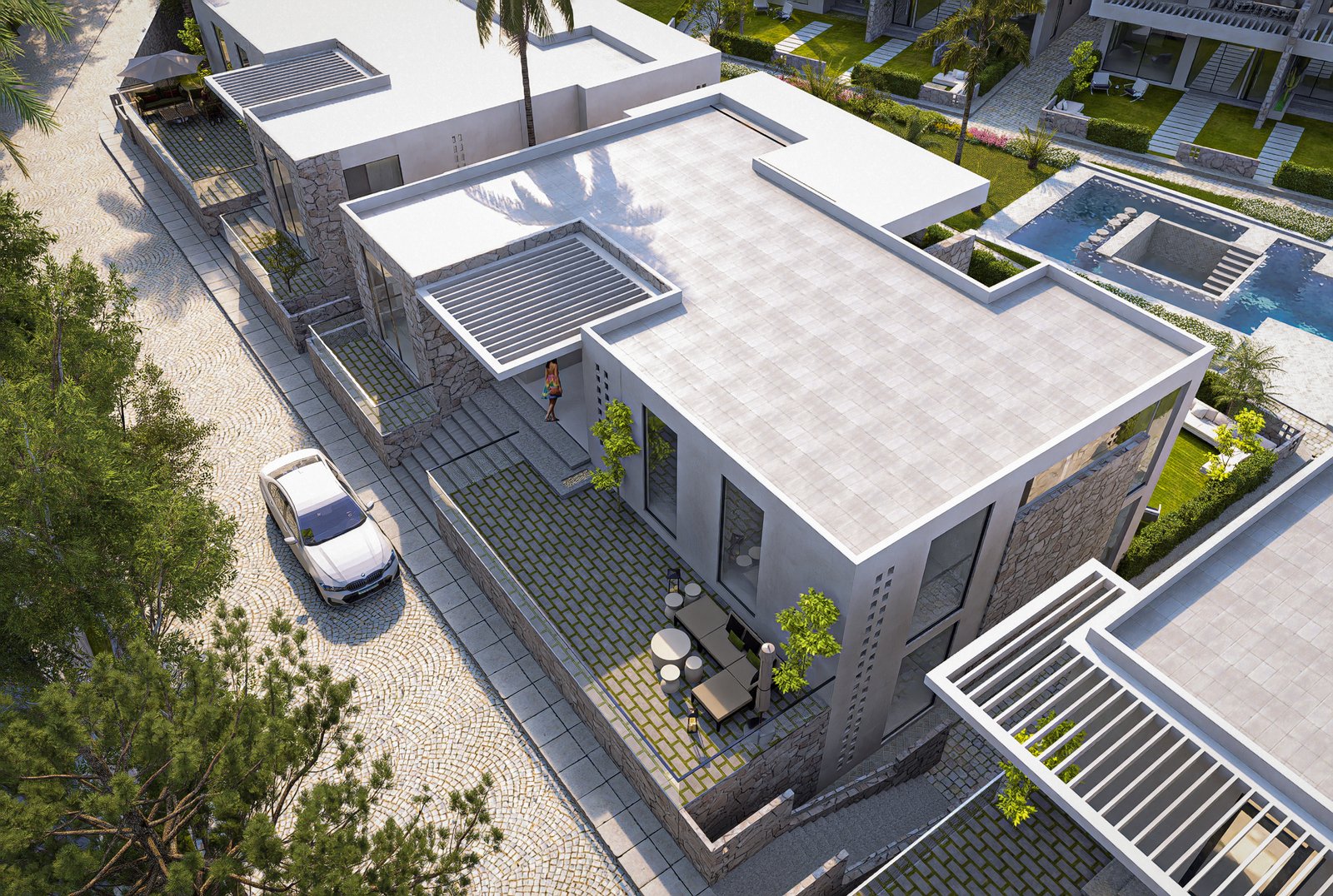
- Volumetric Stacking & Subtractive Geometry:The core philosophy uses interlocking "boxes" and recessed planes. This isn't just for style—it’s a functional method of creating "Exterior Rooms" (deeply shaded terraces) that allow residents to live outdoors comfortably in the Red Sea climate.
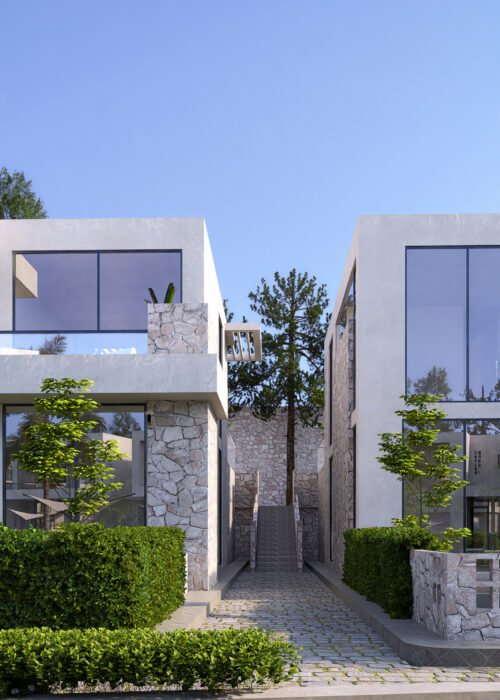
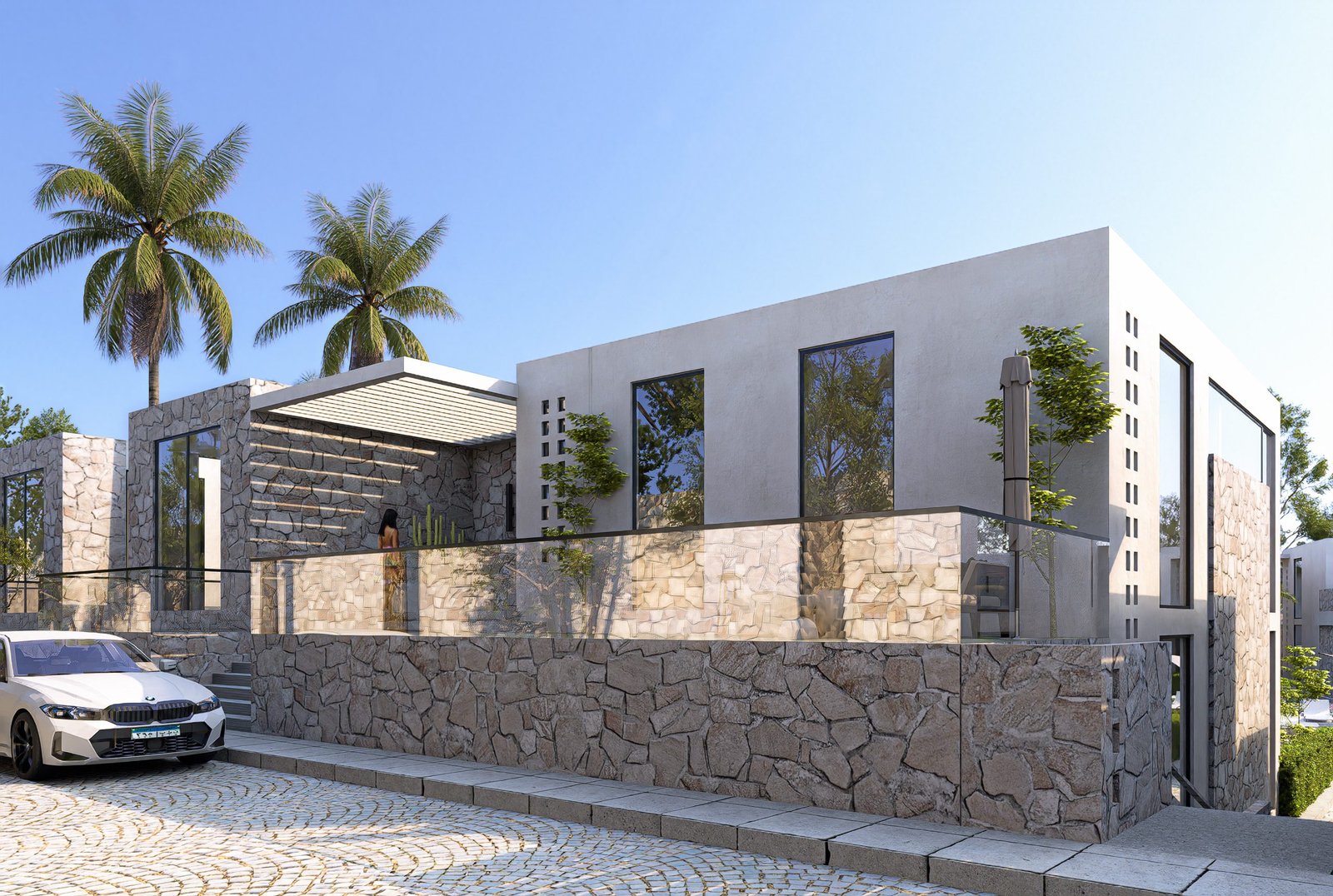
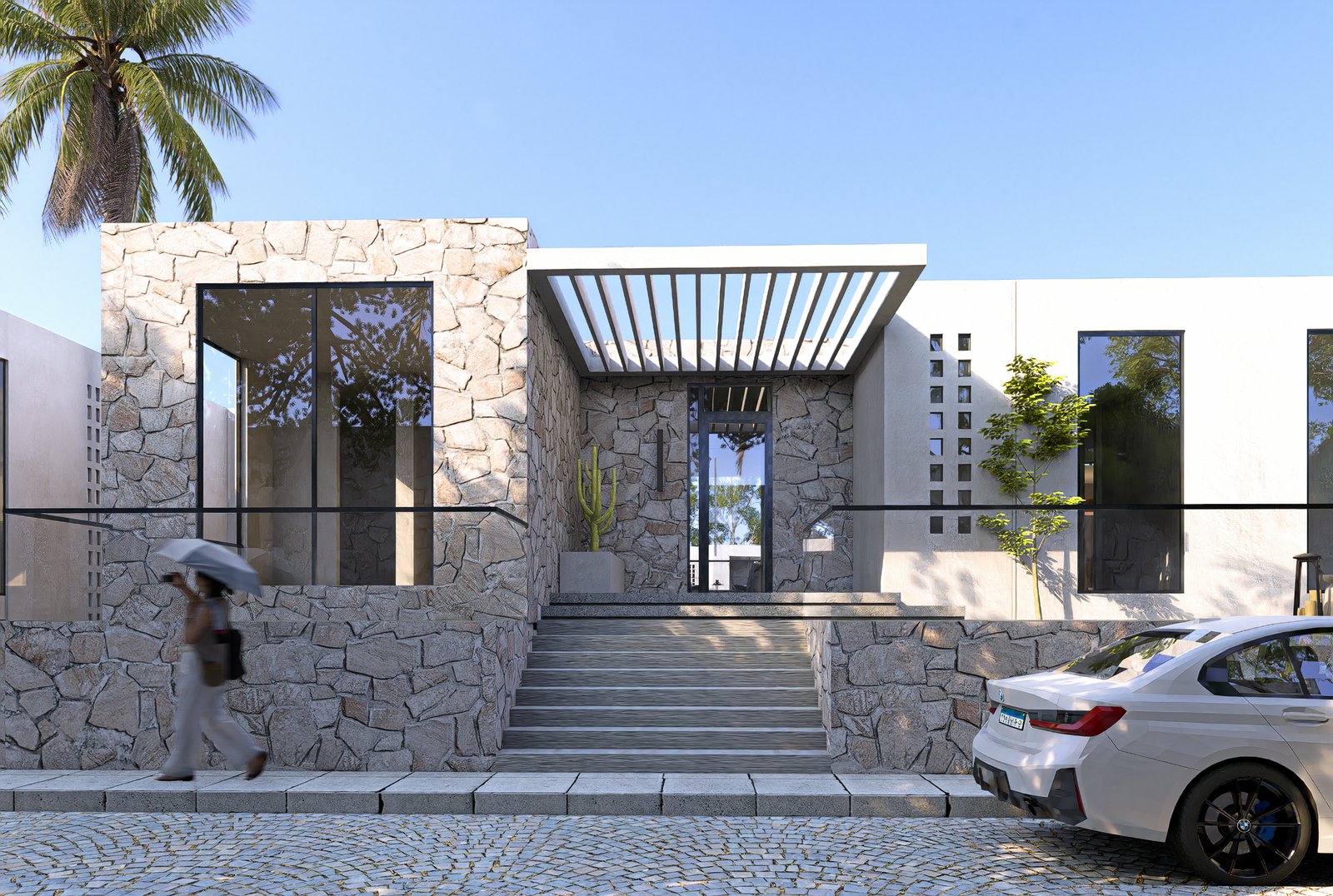
- The "Clean White" Ethos:A commitment to monolithic white forms that reflect solar radiation. This is often juxtaposed with tactile organic textures—such as rough-hewn stone or fluted timber—to ensure the minimalism feels grounded and welcoming.
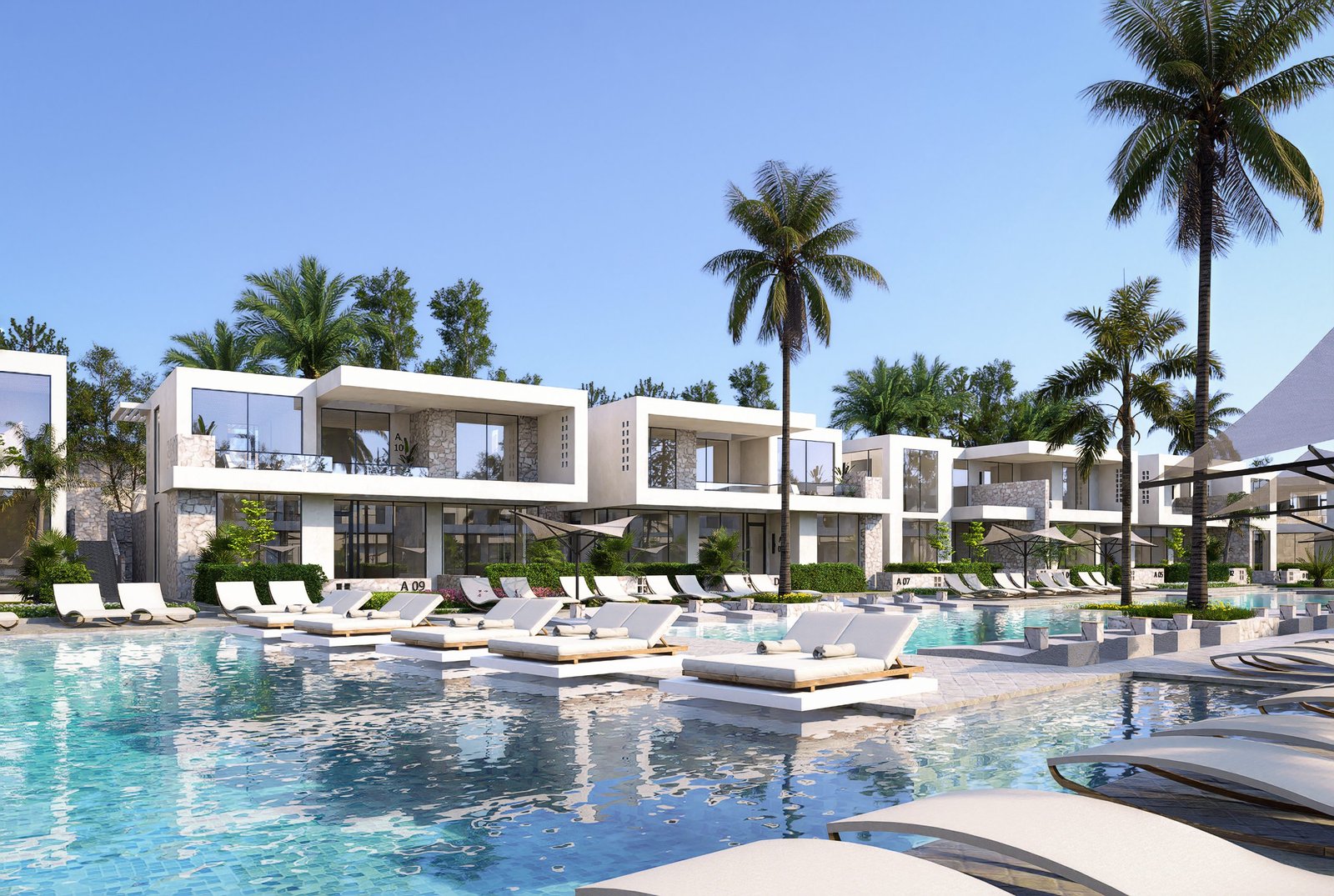
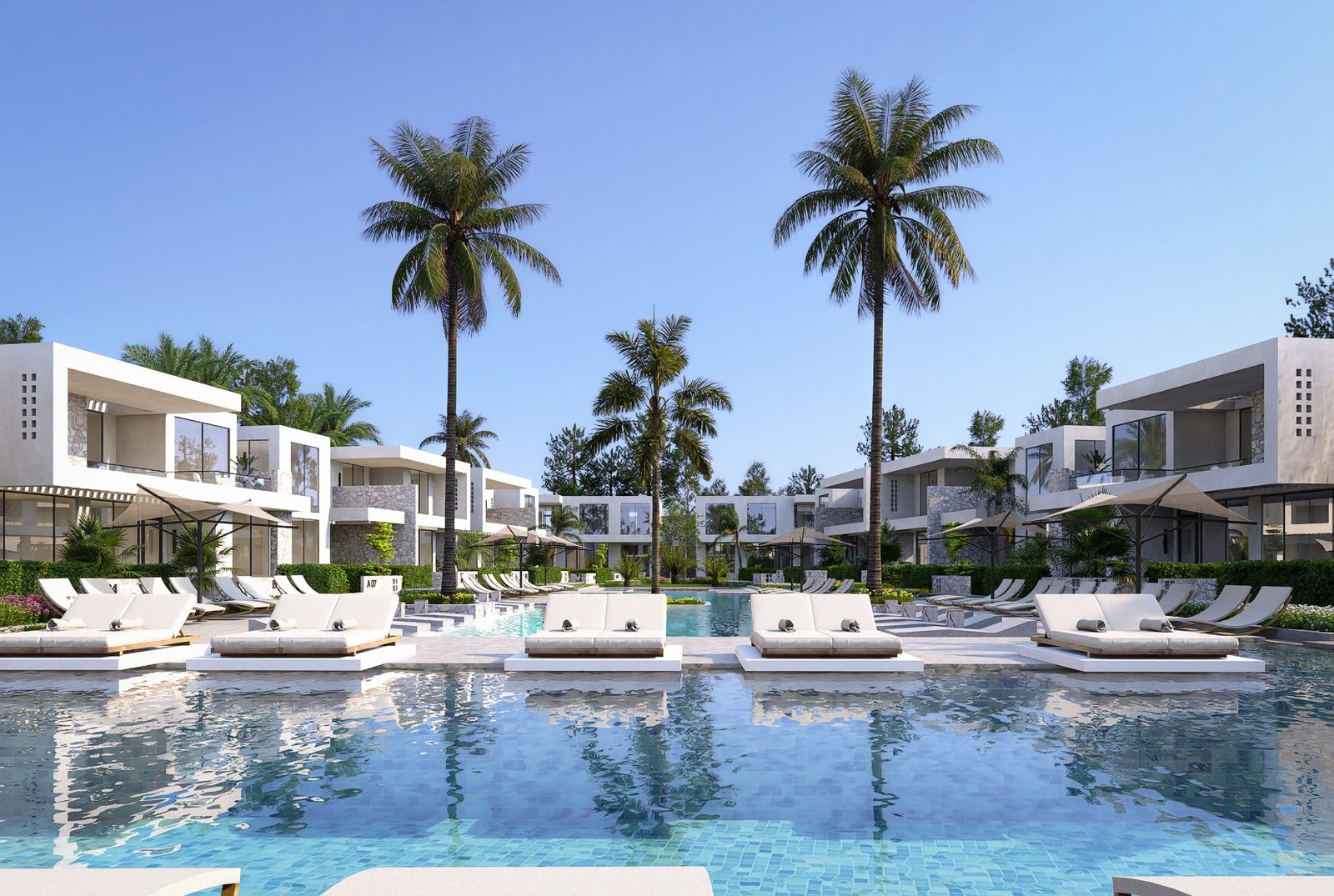
- Aquatic Materiality:Water is treated as a primary building material. The philosophy utilizes a "Blue Spine" (vast water features) as a central organizational axis that regulates the microclimate and provides a shimmering, reflective base for the architecture.
Key Features
These are the "Hero Elements" that distinguish an EIT project from a standard residential block.
Integrated Private Pools: A signature feature where private aquatic spaces are seamlessly integrated into the architectural footprint of individual units or duplexes.
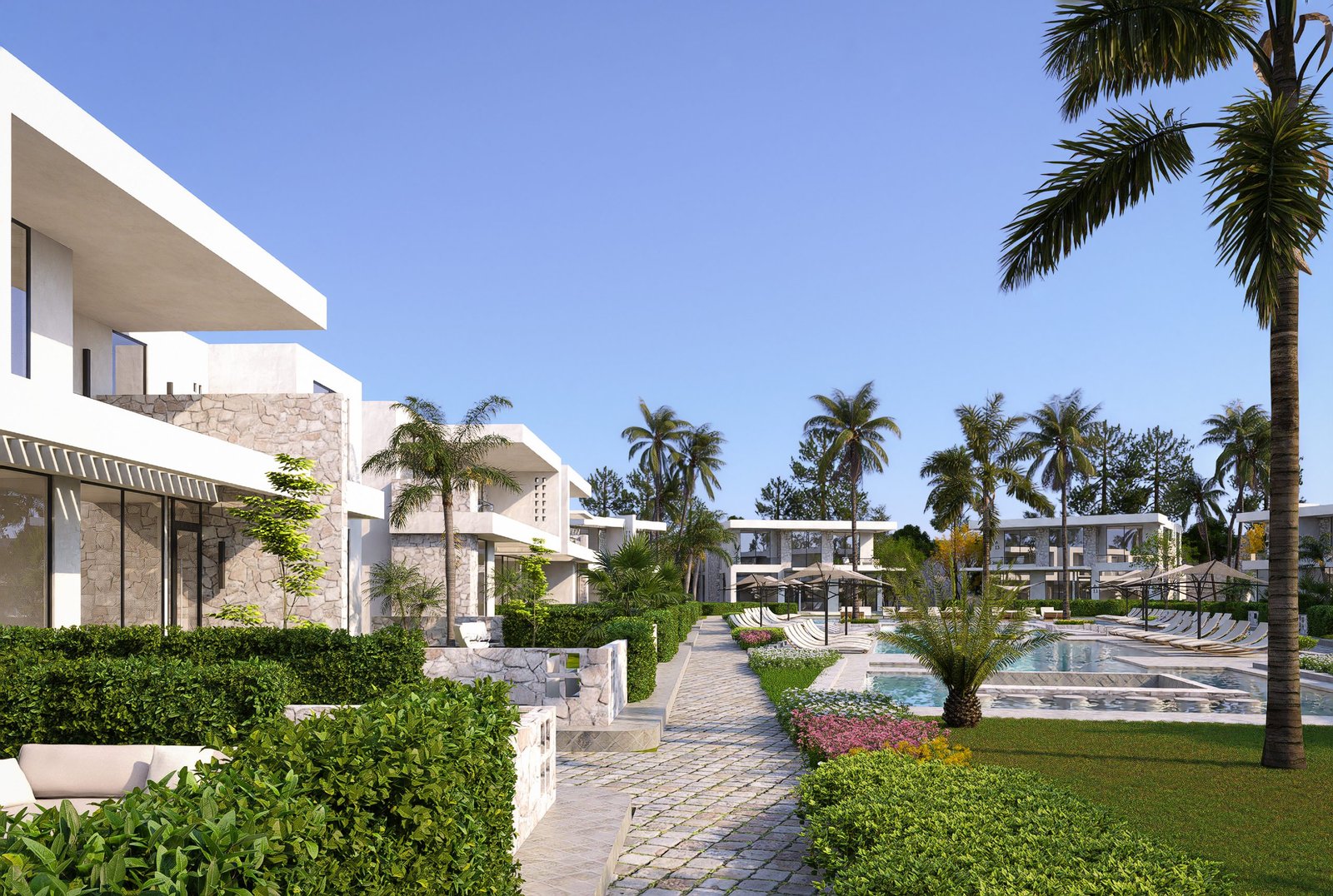
Gated Pedestrian Sanctuaries: Strategic site zoning that pushes vehicle circulation to the perimeter, preserving the central core as a quiet, pedestrian-only oasis of water and lush landscaping.
Visual Porosity: The use of floor-to-ceiling high-performance glazing and seamless glass balustrades to erase the visual threshold between the interior sanctuaries and the surrounding landscape.
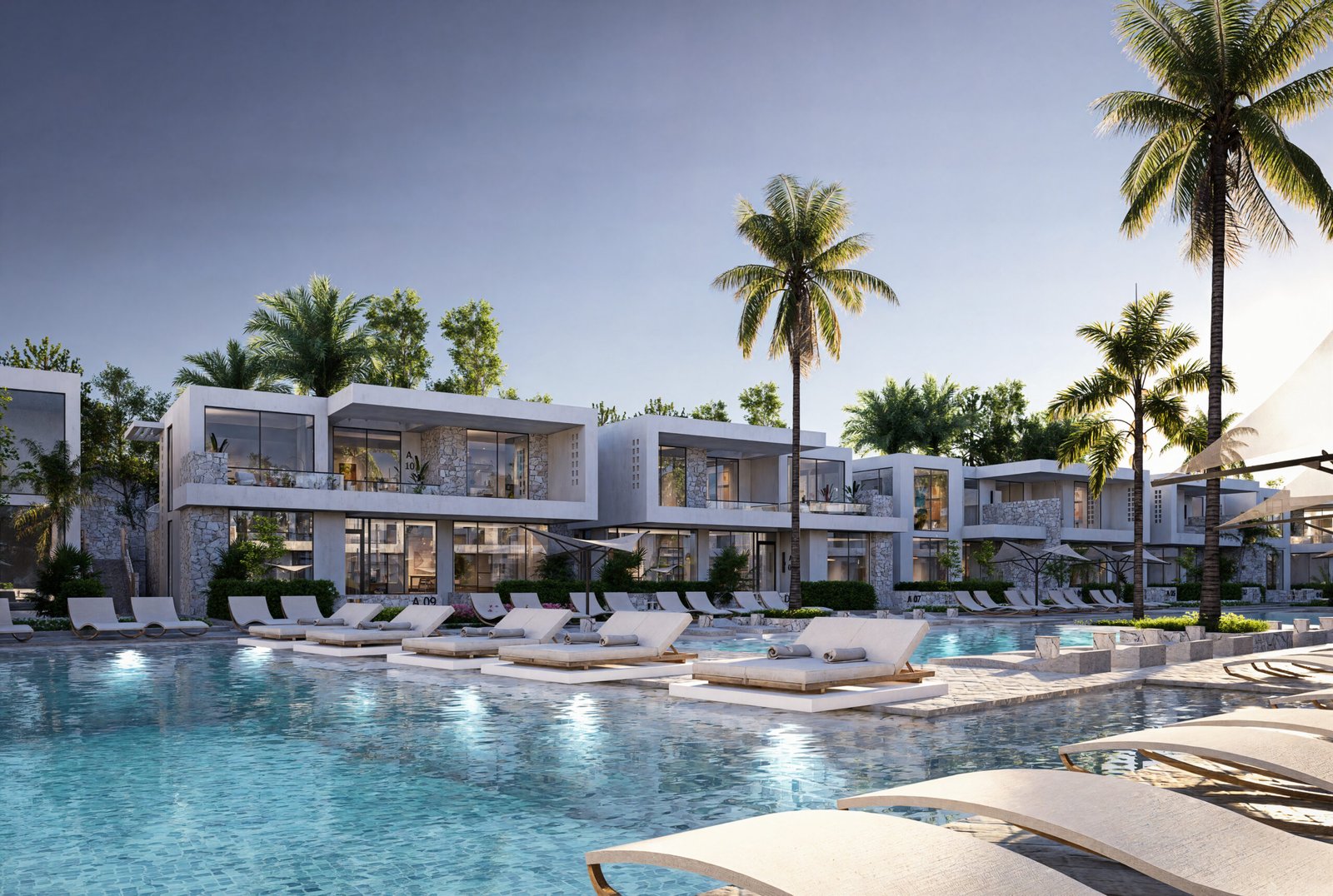
Nocturnal Identity: Sophisticated landscape lighting, including integrated linear LEDs and submerged pool lights, that transforms the project into a glowing masterpiece after sunset.